
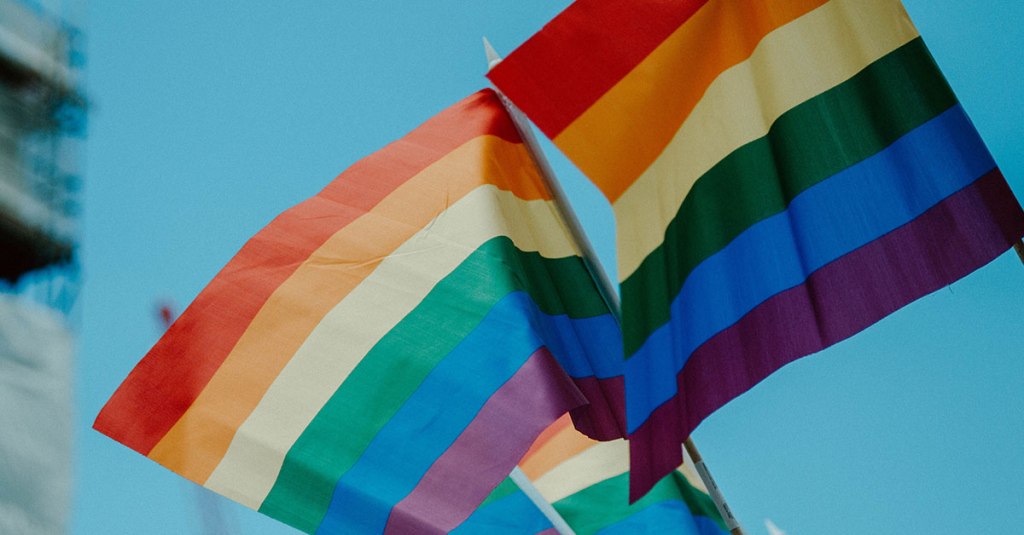
As the vibrant colours of the rainbow flag unfurl across the nation, South Africa proudly celebrates Pride Month, a time dedicated to honouring and advocating for the rights of the lesbian, gay, bisexual, and transgender (LGBT) community. In South Africa, these rights are protected by a progressive legal framework that sets an example for the rest of the continent.
South Africa stands out as a shining example of progress and inclusivity, boasting one of the most progressive legal frameworks for LGBT rights on the continent. The country’s Constitution, adopted in 1996, explicitly prohibits discrimination based on sexual orientation and gender identity, providing a strong foundation for equality.
In 1998, South Africa became the first African nation to decriminalise homosexuality, breaking down barriers and paving the way for a more inclusive society. A significant milestone was reached in 2006 when the Constitutional Court legalised same-sex marriage, granting equal marriage rights to all loving couples, regardless of their sexual orientation. South Africa became the first African country to take this progressive step.
Protection for LGBT families is another cornerstone of South Africa’s progressive stance. Same-sex couples have the legal right to adopt children, offering loving homes to those in need. Parenting rights are granted equally, ensuring that all families, irrespective of sexual orientation, receive equal legal recognition and support.
South Africa also recognises the importance of gender identity and expression. The Alteration of Sex Description and Sex Status Act, passed in 2003, empowers transgender individuals to officially change their gender markers on legal documents, affirming their identity and protecting their rights.
In the fight against hate crimes, South Africa has enacted laws specifically aimed at protecting the LGBT community from violence, discrimination, and hate speech. These legal measures contribute to fostering an environment of acceptance and respect for all.
The Employment Equity Act of 1998 prohibits workplace discrimination based on sexual orientation, ensuring that LGBT individuals have equal opportunities and are protected from unfair treatment in all professional environments.
South Africa acknowledges the unique challenges faced by the LGBT community regarding healthcare. The nation has made significant strides in raising awareness and providing support, particularly in addressing HIV/AIDS, which disproportionately affects the LGBT community. Initiatives have been implemented to promote safe sex practices and ensure equal access to healthcare services.
As South Africa embraces Pride Month, we celebrate the nation’s unwavering commitment to advancing LGBT rights. The legal framework in South Africa serves as a testament to the country’s dedication to fostering a society that embraces diversity and protects the rights of all individuals, regardless of their sexual orientation or gender identity.
At Clynton Steven Poole attorneys, we wholeheartedly support the spirit of Pride Month and remain committed to upholding the principles of equality and justice for all.
 Clynton Steven Poole Attorneys
Leave a comment