
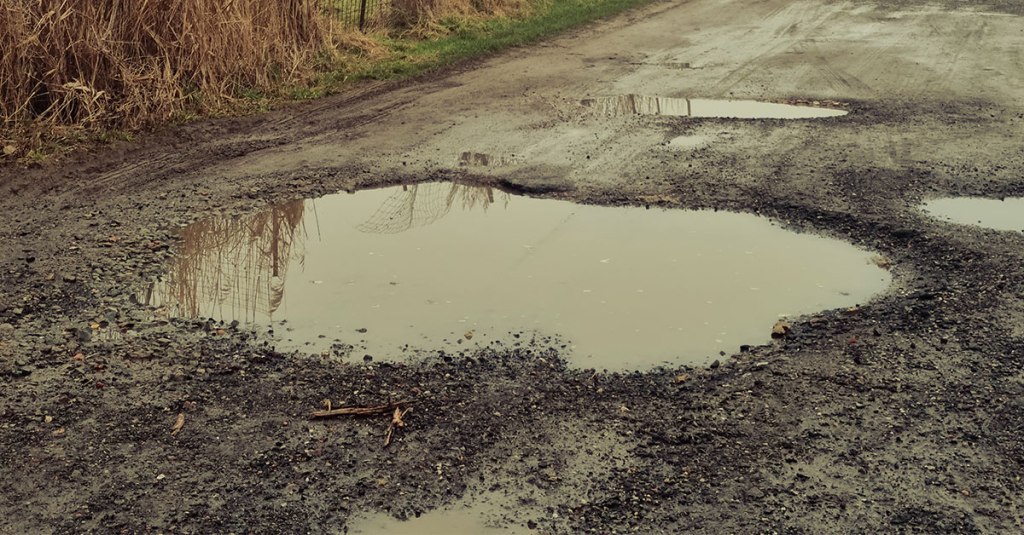
South African drivers know the frustration of encountering potholes, especially after heavy rain. Hitting a pothole can damage your vehicle, and it’s essential to know how to handle the situation. Sumarie Greybe, co-founder of Naked, a digital insurance platform, offers guidance on what to do if you suspect your vehicle has been seriously affected by a pothole impact.
Step 1 — Assess the Potential Damage
When you hit a pothole, first evaluate the damage. If your steering wheel shakes, you struggle to control the car, or hear unusual noises, slow down and pull over safely. If you’re sure your vehicle has been damaged, contact emergency assistance. Even if you don’t notice immediate problems, stop when it’s safe and check for visible damage like tire tears or bent rims.
If there’s visible damage or internal issues, avoid driving further. Call your insurer’s emergency helpline. Continuing to drive a severely damaged vehicle could lead to more harm, and subsequent claims might not be honored.
Step 2 — Request Assistance
If damage is significant, avoid driving. If you’re insured, arrange for your insurer to send a tow truck, preferably a flatbed to prevent additional damage. Ask for the vehicle to be taken to a repair shop approved by your insurer. Remember that many insurers offer free towing within a certain distance, but if it’s exceeded, extra costs might apply. If you’re not insured, the Automobile Association (AA) can assist with towing for a fee.
Step 3 — Document the Damage
Documentation is vital for successful claims. Take photos of both the pothole and your vehicle’s damage. Use your phone’s GPS or a location pin to mark the pothole’s exact spot. If there were witnesses, gather their contact details and statements.
Step 4 — Report the Accident to the Police
To file an insurance claim, you’ll need a police case number. Report the accident at a police station or online (for non-injury incidents) through the Natis website.
Step 5 — File a Claim
For insurance claims, provide the following details:
- Exact pothole location (use the saved location pin).
- Photos of the pothole and vehicle damage.
- Witness contact details.
- Police incident report.
If approved, your insurer will use the police case number to pursue compensation from the municipality.
If repair costs are lower than your excess, consider claiming directly from the municipality or Sanral (for national roads). The process generally involves similar documentation requirements, plus three repair quotes.
Tips for Avoiding Potholes
- Adhere to speed limits and drive cautiously.
- During rain, be extra vigilant and assume puddles might conceal potholes.
- Watch other drivers; sudden swerving may indicate potholes.
- Maintain proper tire pressure to minimize damage.
- If you can’t avoid a pothole, slow down, but don’t brake while driving through it.
Dealing with pothole damage in Cape Town requires a systematic approach. Following these steps and practicing safe driving habits will help you navigate the aftermath of hitting a pothole and ensure a smoother claims process. Proper documentation, reporting, and communication with your insurer or relevant authorities are key to achieving a successful outcome.
 Clynton Steven Poole Attorneys
Leave a comment